Most hazardous warehouses aren’t full.
They’re just poorly designed.
Across the UK, we work with COMAH sites, chemical manufacturers and regulated facilities that all believe they’ve reached capacity.
They haven’t.
What they’ve reached is the limit of what their current layout allows, and that limit is quietly driving cost, risk, and unnecessary expansion.
- Too much space lost to aisle-driven layouts
- Too much reliance on forklifts
- Too many compromises made between safety and efficiency
The assumption is always the same:
“That’s just the reality of operating in an ATEX environment.”
It isn’t.
This guide explains how ATEX warehouse automation is redefining what’s possible. Allowing operators to increase storage density, improve safety and maintain full compliance without expanding their footprint.
What is ATEX Warehouse Automation?

ATEX warehouse automation refers to automated storage and handling systems specifically engineered to operate safely within potentially explosive atmospheres. These are environments where the presence of flammable substance make conventional automation unsuitable.
Typical ATEX classified environments include operations involving:
- Flammable liquids and chemicals
- Aerosols and pressured containers
- Vapours, gases and combustible dust
- Bulk liquid storage (IBC’s and drums)
Unlike standard warehouse automation, ATEX systems are not adapted after installation. They must be designed to:
- Eliminate ignition risks
- Control movement precisely
- Operate within strict regulatory frameworks
This is not standard automation with minor adjustments.
It is engineered safety from the ground up.
Why Traditional Warehouse Design Fails in ATEX Environments
Over-reliance on forklifts
Forklifts remain one of the biggest risks in hazardous environments. Beyond the obvious safety concerns, they introduce potential ignition sources, increase the likelihood of human error, and create congestion that slows material movement across the site.
Despite this, in many sites they are still the primary method of handling hazardous materials – often because no viable alternative has been designed into the layout.
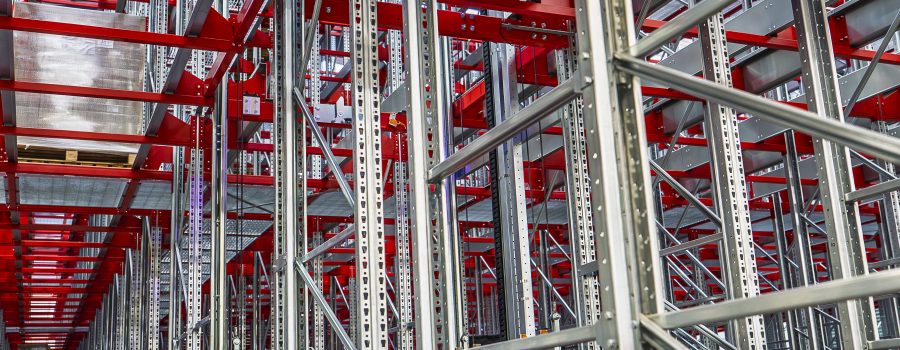
Poor use of vertical space
In many warehouses, storage heights are limited to just two or three pallets. This isn’t driven by structural constraints, but by layouts that were never designed to accommodate anything more.
The result is wasted cubic capacity and a premature push for expansion, even when significant space remains unused.
Compliance-led layouts that limit performance
Many facilities are designed conservatively to meet perceived regulatory requirements rather than actual operational needs. While compliance is essential, over interpretation often leads to under utilised space, inefficient workflows, and reduced throughputs.
These layouts satisfy audits but fail the business.
Increasing audit and inspection pressure
At the same time, operators are facing more frequent inspections, stricter traceability requirements, and higher expectations around safety and documentation. Traditional systems struggle to keep pace, forcing teams to work harder just to stand still.
The Shift: From Manual Risk to Engineered Control
Modern ATEX automation changes the operating model completely.
Instead of people manually moving hazardous materials, movement is controlled by engineered, system-driven processes.
Instead of reactive safety measures layered onto existing workflows, safety is built-in by design.
And instead of limited visibility and oversight, operators gain full control, traceability, and confidence across every movement.
The Benefits of ATEX Warehouse Automation
Increased Storage Density
High-density systems maximise cubic space while maintaining compliance, often delaying or eliminating the need for expansion.
Reduced Operational Risk
Removing forklifts and minimising manual handling significantly lowers risk exposure in hazardous zones.
Improved Throughput
Automated systems allow parallel movements and optimised workflows, increasing operational efficiency.
Full Traceability and Control
Every movement is tracked and managed in real time.
Confidence During Audits
Systems are designed to support inspection, not just operation.
Where ATEX Automation Delivers the Most Value
IBC Storage
Bulk liquid storage is one of the most challenging areas in hazardous warehousing.
See: IBC Storage Automation for Hazardous Warehouses
Drum Storage
Drums require careful handling, organisation and traceability.
See: Automated Drum Storage Systems for Hazardous Materials
Chemical Warehousing
High volumes of regulated materials require structured, controlled storage.
See: COMAH Warehouse Automation and Design
Defence and Regulated Logistics
Secure, traceable and controlled environments are essential.
See: Warehouse Automation for Defence
Introducing AutoCube®-X
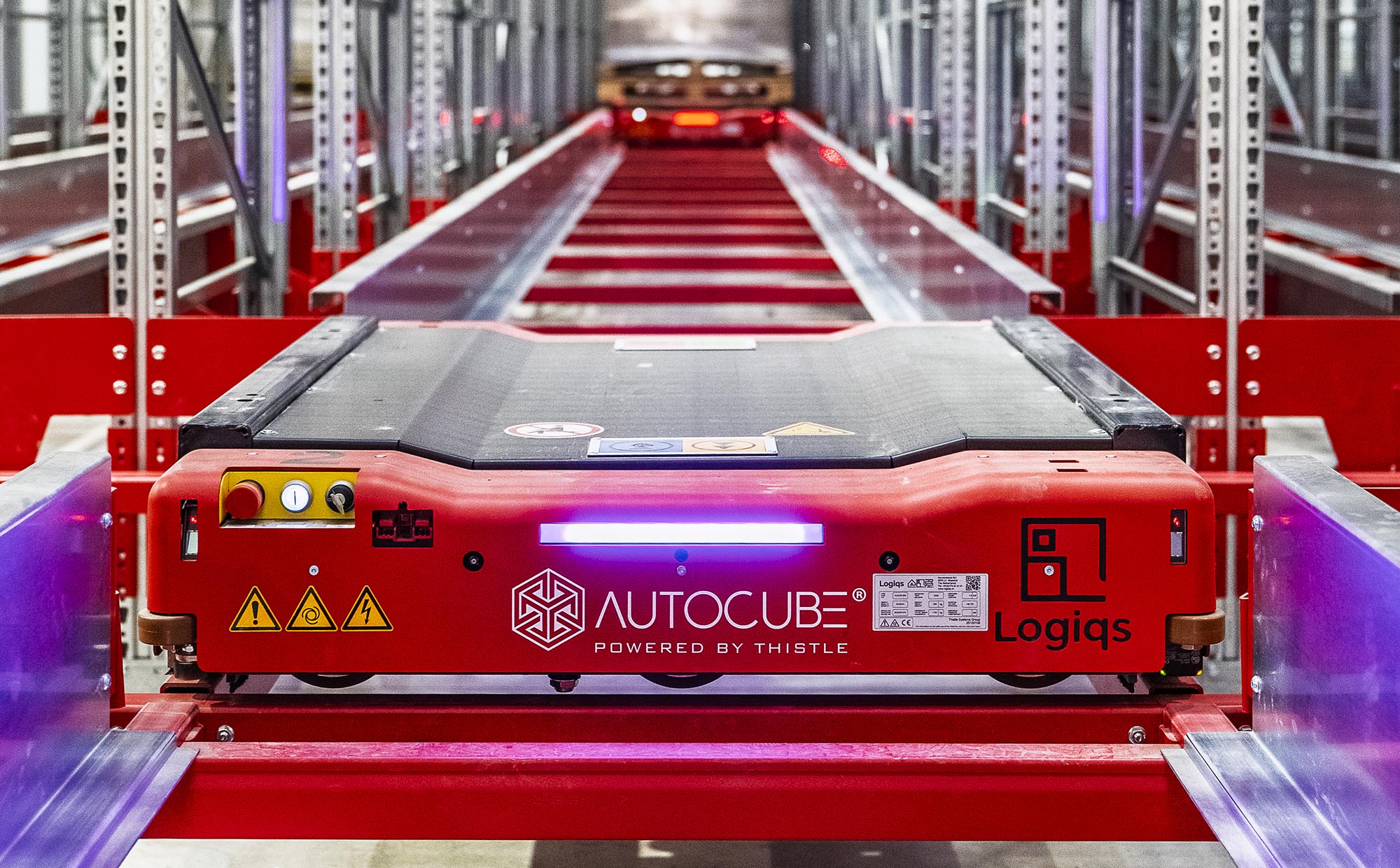
AutoCube®-X is a high-density, ATEX-rated automated storage system designed specifically for hazardous environments.
It enables:
- Safe storage of pallets, IBCs and drums
- High-density layouts without compromising compliance
- Removal of forklifts from hazardous zones
- Fully controlled, software-driven operations
Unlike conventional systems, AutoCube®-X is engineered for these environments from the outset.
Is ATEX Warehouse Automation Right for You?
You should explore automation if you:
- Are running out of space
- Rely heavily on forklifts
- Face increasing audit pressure
- Store hazardous materials at scale
- Are planning expansion or a new facility
Discover What Your Warehouse Could Achieve
We offer a free initial warehouse assessment to help you understand:
- Your true storage potential
- Opportunities to improve safety
- How automation could transform your operation