
A review of external cold storage costs, or a rise in the monthly bill, is often the trigger for considering investment in additional on-site capacity. Before deciding how much extra space is needed, it is worth establishing what a different storage system could make possible.
For example when the UK’s leading ice supplier moved to a factory five times larger and changed their approach to storing pallets, they were able to achieve an increase in frozen storage capacity that was almost twenty times their previous capacity.
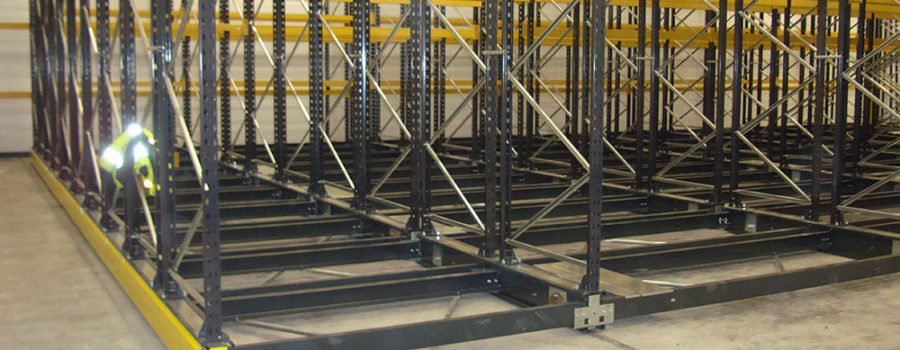
The larger premises provided room for expansion. Moving from floor stacking to a semi-automated pallet shuttle system helped the business use its new cold storage space to accommodate substantially more stock.
That relationship between space and storage capacity matters when assessing the alternatives to external storage. It can influence what is achievable within an existing cold store, how much additional space an expansion requires and the investment needed to support future growth.
How much capacity could your available space provide?
A cold store can be full within its current configuration and still have scope to accommodate more stock.
The potential depends on the building, the stock profile and the way goods need to move. A layout that works well for a broad range of products in small quantities may be quite different from one suited to larger volumes of fewer products. Changing the storage system can alter how much space is needed for access, how effectively the available height is used and how pallets are handled. Those differences can have a substantial effect on the capacity achievable within a given area.
The useful comparison is how each configuration would perform with your stock and your workload.
How many usable pallet positions would it provide? How easily could the required products be accessed? Could it handle peak movements and maintain the stock rotation the operation needs? These questions establish whether additional storage density would translate into a practical improvement. More positions on a drawing have limited value if they create delays or cannot be used effectively with the stock being held.
Establish the storage options before committing to more space
Where an existing cold store offers scope for improvement, a different configuration may reduce the amount of stock that needs to be held externally without extending the building.
Where an expansion or relocation is necessary, assessing the storage options early can help define the space required.
Sizing a new facility around the current storage arrangement may carry its limitations into the next building. Exploring alternative systems at the planning stage gives the business a clearer understanding of what different footprints and layouts could deliver. This also creates an opportunity to plan capacity and handling together. The aim is to accommodate the stock the business expects to hold and move it at the rate the operation requires.
For a growing business, that assessment can help establish whether a proposed facility provides enough room for future demand and how further capacity could be introduced.
Compare the costs that could actually change
Where external storage is a regular requirement, there is an existing operating cost against which an investment can be assessed.
The starting point is the volume of stock held externally through the year. A short seasonal peak presents a different case from a substantial number of pallets kept off site every month. Storage charges, transport and additional handling help establish what reducing that requirement could save. Time spent organising transfers also matters, although releasing staff time does not automatically translate into a cash saving.
The comparison needs to be realistic on both sides. An alternative storage system has an installation cost and may involve changes to equipment, working practices or maintenance requirements. Any disruption during the change also needs to be accounted for.
The capacity assessment makes this comparison more useful. It allows the business to evaluate how much external storage each option could realistically replace, alongside its costs and operational implications.
Where an expansion or relocation is already being considered, the benefits may also include accommodating growth and handling peak volumes more effectively.
Making a change while the operation keeps running
Even a compelling financial case has to work operationally.
For a manager responsible for keeping production supplied and orders moving, the immediate concern may be how a change could be delivered within a busy facility.
How much stock would need to move during installation? Could the work be phased? Would additional temporary storage be required? When would the operation be able to absorb the disruption?
For an expansion or relocation, the questions extend to how stock and operations would transfer into the new space.
These considerations belong in the assessment from the beginning. A useful proposal should explain both the capacity and performance expected from the new system and how the business could get there.
Whole Ice: five times the factory space, almost twenty times the frozen storage capacity
Whole Ice previously operated with a 50-pallet floor-stacked freezer, relying on hired trailers during busy periods. Its move to a factory five times larger provided an opportunity to change its approach to storage. Thistle Systems designed and installed a semi-automated two-way pallet shuttle system, taking on-site frozen storage capacity to nearly 1,000 pallets.
The factory was five times larger. Frozen storage capacity increased almost twentyfold.
The expansion and change in storage system together enabled that step up in capacity. Operating at −25°C across five SKUs, the system is designed for throughput of up to 30 pallets per hour with only a minimal increase in forklift resource. The result is reduced reliance on external storage and greater flexibility during peak periods. For businesses planning additional capacity, it demonstrates the value of assessing the building and storage system together.
Read the Whole Ice project story.
A clearer basis for the next decision
External cold storage can remain a valuable part of the operation, particularly where flexibility is important or demand varies significantly.
Where the requirement has become consistent, understanding what different storage systems could deliver gives managers a stronger basis for planning and investment discussions.
That may reveal an opportunity to bring more stock back into the existing facility. It may help define the size and layout of an expansion. It may also confirm that retaining some external capacity offers the best value.
Before committing to more space, establish how much capacity the available storage options could provide.
Thistle Systems can help assess those options against your stock profile, handling requirements and growth plans, giving you a practical basis for deciding where to invest.


